✨ OAX 2026 ✨ Click here to Learn More
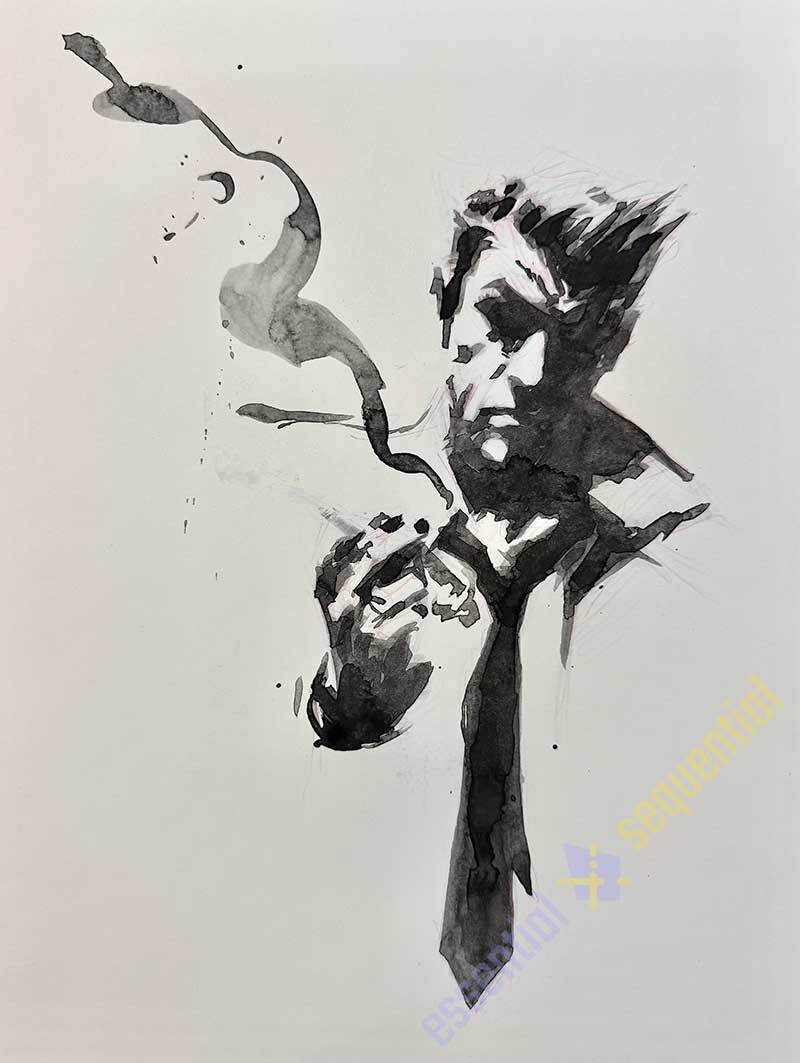
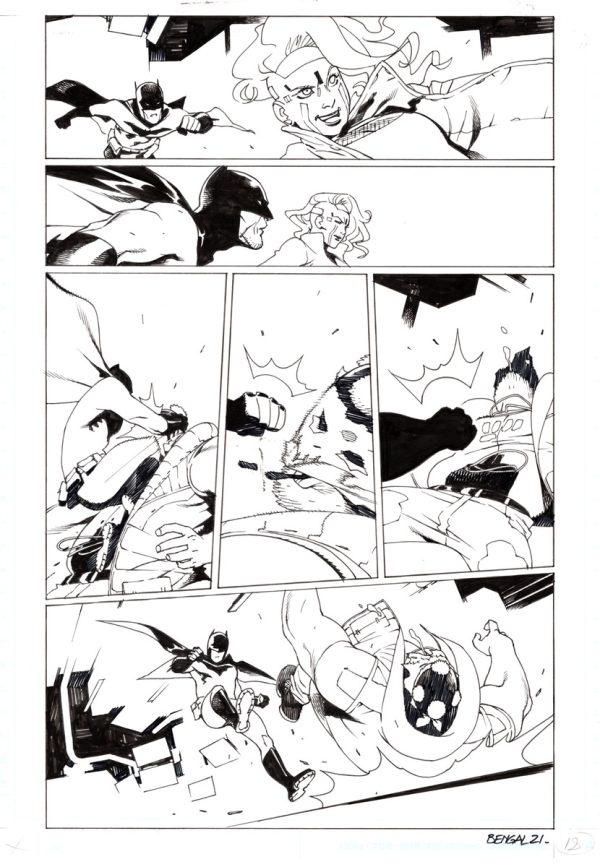
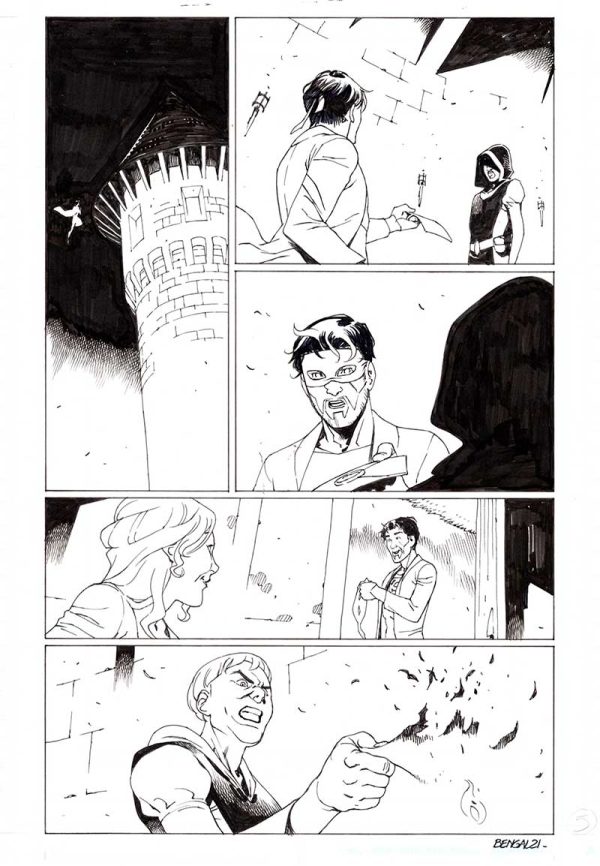
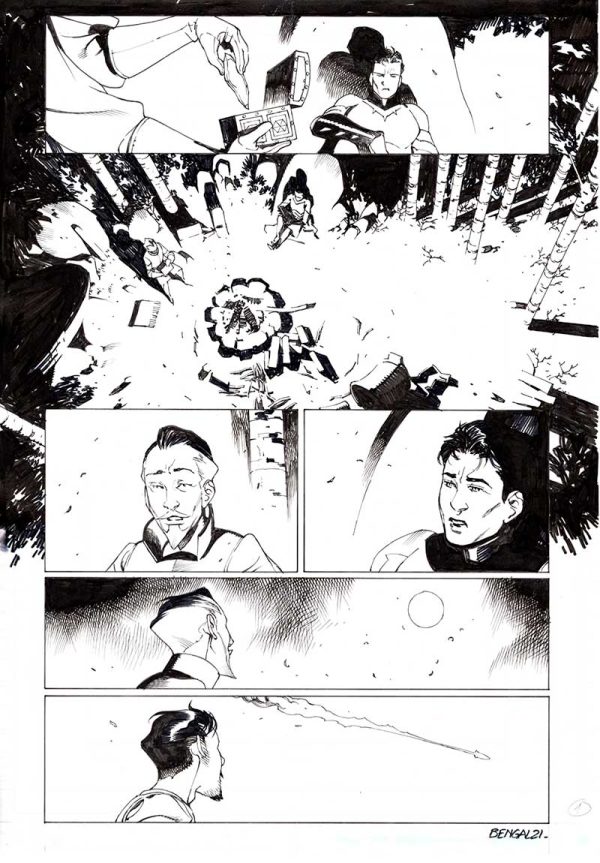
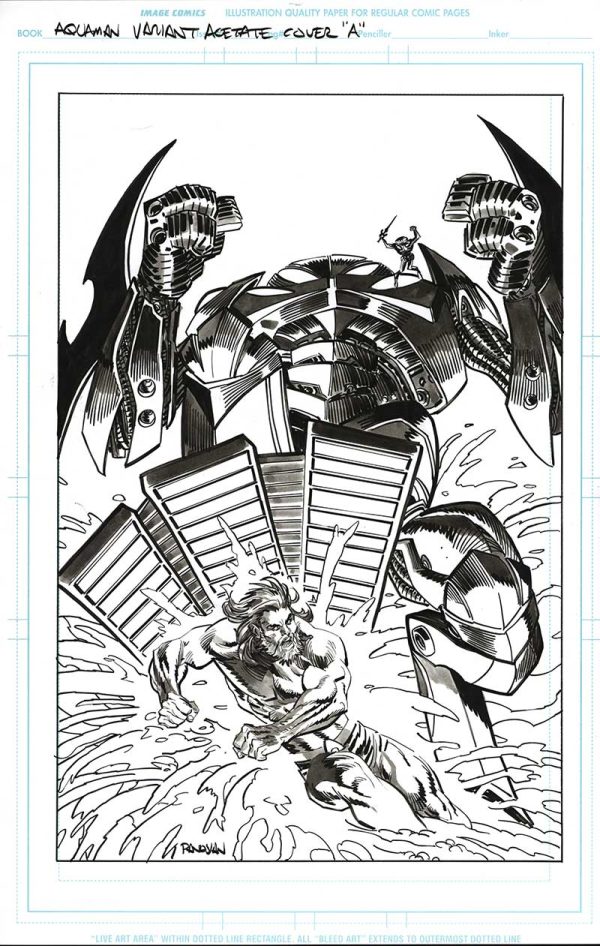
Nōtan (濃淡) is a design aesthetic centered on the interplay of light and dark, emphasizing balance and harmony through contrast. While its roots are connected to Asian art — often compared to the yin-yang symbol — the concept of nōtan as taught today is largely unique to American art education.
In this context, nōtan refers to the relationship between positive and negative space and the way shapes interact with their background. By reducing light and dark to flat values on a two-dimensional surface, artists can better understand shape, form, and composition.
The idea was introduced to the United States by art historian Ernest Fenollosa (1853–1908) and later popularized by Arthur Wesley Dow in his influential 1899 book Composition.
| Penciler | Viktor Farro |
|---|---|
| Medium | Liquid Charcoal |
| Character | Hellblazer, John Constantine |
| Publisher | DC Comics |
$200.00
In stock
We’re not afraid to talk to you. Need help or just don’t like placing orders over the Net?

© 2025 Essential Sequential. All Rights Reserved.
Sales Policy | Terms & Conditions | Privacy Policy |
Website Design by Sage Digital Agency
Join our mailing list and be the first to know.